


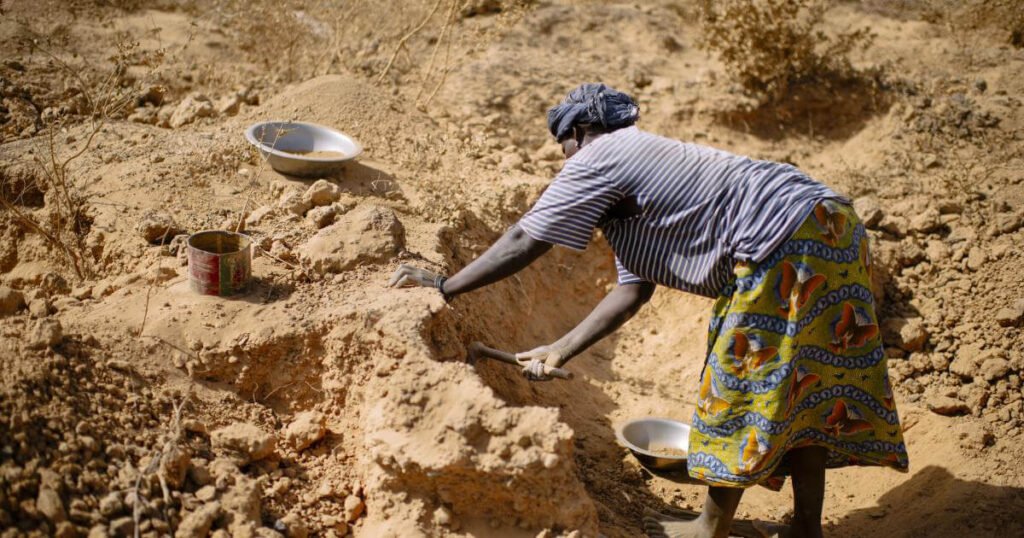
The global extractive industry may be known for powering economies and influencing political decisions, but at its heart are real people whose lives are deeply shaped by it. In many developing and fragile countries, minerals and hydrocarbons hold the promise of national prosperity, yet they also expose communities to some of their greatest risks.
Nowhere is this contrast more visible than in the lives of the millions of women who work at the very edges of extraction. They step into this world with hopes of earning a living and supporting their families, yet they often find themselves face to face with dangers that threaten their safety, their stability and their sense of dignity. Their daily experiences show that behind the billions of dollars buried underground are human stories filled with strength, uncertainty and courage.
The experiences of these women illuminate not only personal struggles but also broader structural challenges. Their roles in mining and petroleum communities stretch far beyond what the industry has traditionally acknowledged. In many places, they are miners, traders, peace-brokers, community negotiators, caregivers and sometimes the last line of social stability. Yet they remain disproportionately vulnerable to violence, exploitation and exclusion. Understanding their position in extractive settings is central to shaping a more sustainable and equitable resource future.
The Paradox of Opportunity and Danger
In many fragile or conflict-affected regions, the extractive sector acts as a magnet for economic survival. This dynamic is particularly visible in parts of sub-Saharan Africa, where artisanal and small-scale mining has become a lifeline for communities facing limited alternatives. Women often enter these zones seeking income opportunities to sustain their families. The absence of men, who may be involved in conflict, migration or other economic pursuits, forces women into more prominent economic roles at household and community levels.
Yet the pursuit of opportunity is accompanied by heightened exposure to danger. Weak security conditions, inadequate regulation and entrenched power imbalances create environments where women are disproportionately at risk. The paradox becomes evident. Extractive industries can empower women economically but also place them directly in harm’s way.
In the Democratic Republic of Congo, for example, unpublished World Bank research highlights this double vulnerability. Women who relocate to artisanal mining zones in South Kivu often do so with hope for a better income. But they arrive without social networks, legal protection or structured support systems. They work outside any formal framework, often at the mercy of armed groups, informal authorities and predatory intermediaries. In the most severe instances, their exposure leads to coercion, intimidation and sexual violence. They become rural women in a war zone who also navigate hazardous extraction conditions with no safety nets. The mining pit becomes a place of economic possibility and simultaneous peril.
This paradox underscores the core issue facing women in the extractive sector. They carry the potential to elevate household income and influence community resilience, yet they remain entangled in environments shaped by fragility, inequality and insecurity.
Extractive industries often intersect with conflict dynamics in ways that intensify risks for women. In countries where mineral wealth fuels power struggles, women experience the consequences at both domestic and community levels. They face threats not only from physical violence but also from economic dispossession, forced labor and the disruption of traditional social structures.
Despite this, women have consistently emerged as critical stabilizers in troubled regions. Their agency becomes a counterforce against the destabilizing effects of resource-driven conflict. Understanding this duality is essential. Women are not solely victims of extractive-related fragility, they are also central actors in mitigating its worst effects.
A striking example comes from Bougainville in Papua New Guinea. A poorly managed mining project became the epicenter of a decade-long civil war. Women in Bougainville described their existence during this period as life lived between two guns, caught between the Papua New Guinea Defense Force and the Bougainville Revolutionary Army. Yet they found ways to assert agency in an environment dominated by violence.
Women organized prayer meetings, peace marches and reconciliation ceremonies across communities. They became negotiators, leveraging their respected status within their matrilineal society to engage with combatants and influence community decisions. Even without formal seats at negotiation tables, their behind-the-scenes diplomatic presence was pivotal to ending the conflict. They provided humanitarian aid, cared for displaced populations and bridged divides that formal institutions could not.
The Bougainville case demonstrates that women play indispensable roles not only in the day-to-day survival of conflict-affected extractive zones but also in the larger peace architecture. Their involvement highlights a recurring pattern. Women often become peace-brokers, mediators and social custodians in contexts where natural resource extraction heightens instability.
The Critical Role of Women in Extractives Governance
Even in regions not affected by active conflict, women’s involvement in the extractive sector remains crucial to achieving sustainable development. Their perspectives influence decisions that shape community development, benefit sharing and environmental management. They often possess knowledge on household and community welfare that can guide more balanced outcomes in extractive-driven economies.
Yet decision-making processes in the sector continue to be dominated by men. Women are frequently excluded from stakeholder consultations, community negotiations and corporate engagement platforms. This exclusion limits the effectiveness of governance frameworks and contributes to persistent tensions between extractive companies and local populations.
When women do participate, the outcomes tend to be more inclusive and less confrontational. Their involvement contributes to more comprehensive benefit-sharing mechanisms, community support systems and conflict prevention strategies. The inclusion of women in planning and oversight helps build trust between companies and communities, strengthening social license to operate and enabling sustainable extraction.

Involving women at every stage of the extractive value chain is increasingly recognized as a necessary component of responsible resource management. From the exploration of resources to their extraction, transport and commercialization, women’s voices offer insight into the social dynamics that underpin project success or failure.
Building Women’s Agency Through Development Support
Recognizing the pivotal roles women play, global institutions have begun shaping programs that enhance women’s safety, economic power and leadership in extractive zones. The World Bank Group is among the organizations advancing this agenda through targeted initiatives in some of the world’s most fragile settings.
Its approach emphasizes holistic empowerment. Beyond mining-specific interventions, initiatives include literacy training, small-business development programs, savings groups and community services such as health and child care. These interventions help women build economic resilience that extends beyond mining itself. By equipping women with diverse skills, development partners aim to reduce dependency on unstable mining income and strengthen the social fabric of extractive communities.
In the DRC, the establishment of the national Women in Mining association, known as RENAFEM, marks a significant step forward. The network unites women from across the mining value chain, connecting small-scale miners, academics, entrepreneurs and government officials. Through provincial focal points, RENAFEM disseminates legal information, supports community outreach, provides grants for women-led businesses and assists in maternal and childcare services. The aim is to create an ecosystem in which women can work safely and participate fully in the industry.
Papua New Guinea has also seen progress through programs designed to tackle gender-based violence, improve literacy and foster entrepreneurship among women in mining and petroleum communities. Partnerships with corporate actors have led to projects such as solar-lighting enterprises, allowing women to build businesses linked indirectly to extractive activities.
These efforts reflect a growing consensus that reducing women’s vulnerability in extractive sectors requires approaches that integrate social, economic and institutional support.
Preventing Conflict Through Women’s Inclusion
The relationship between extractive industries and conflict is well-documented. The presence of valuable natural resources can intensify power struggles, attract armed groups and weaken governance structures. However, the inclusion of women across the extractive value chain has emerged as one of the strongest conflict prevention strategies.
A study underway by the World Bank aims to identify entry points across the extractive industries value chain where interventions can prevent conflict. This research coincides with the launch of a global online community of practice focused on gender issues in fragile settings. Platforms like these signal a shift toward deeper international engagement on the intersection of gender, extraction and fragility.
When women are included in decision-making, there is greater emphasis on transparency, community welfare and equitable resource distribution. These elements reduce the likelihood of tensions escalating. Their participation creates social cohesion and supports long-term stability.
The extractive industry finds itself at a turning point, pulled between old habits and new realities. Demand for minerals is soaring as the world races toward cleaner energy and advanced technology, yet the communities living above these resources are still grappling with the same hardships they faced decades ago.
Toward a Safer and Fairer Extractive Future
Millions of women continue to face the high-stakes reality of working at the margins of the global extractive industry. They live and work where conflict, poverty and environmental degradation intersect with the pursuit of mineral wealth. Yet they remain essential to the stability and sustainability of these regions.
Their experiences reveal both the risks and the transformative potential within fragile resource economies. Women are miners, mothers, entrepreneurs, negotiators and peace-builders. They carry the weight of communities on their shoulders, often without recognition or support.
As the world continues to depend on resources found deep beneath the earth, the responsibility to protect and empower women in extractive zones becomes increasingly urgent. Ensuring that the billions underground do not place millions of women at risk is not only a moral obligation but also a pathway to more resilient, peaceful and equitable societies.