THE ‘W’ INITIATIVE @10 …Unlocking Women’s Potential As Agents of Economic Growth and Sustainable Development
News Team
News Team
When Access Bank Ghana PLC launched The ‘W’ Initiative in March 2015, it was more than just another Corporate Social Responsibility project— it was the birth of a transformative movement dedicated to reshaping the financial sector for women in Ghana. Ten years on, the initiative has become a symbol of empowerment, bridging the gender gap in financial inclusion and inspiring thousands of women to rise beyond societal and economic limitations.
From supporting women entrepreneurs with tailored financing and mentorship to offering maternal health loans and financial literacy programs, The ‘W’ Initiative has evolved into a holistic ecosystem where women thrive, not just as business leaders but as changemakers in their communities.
Its journey is one of resilience, innovation, and impact, proving that when women are empowered with access to finance, knowledge, and opportunity, they don’t just build businesses— they build futures.
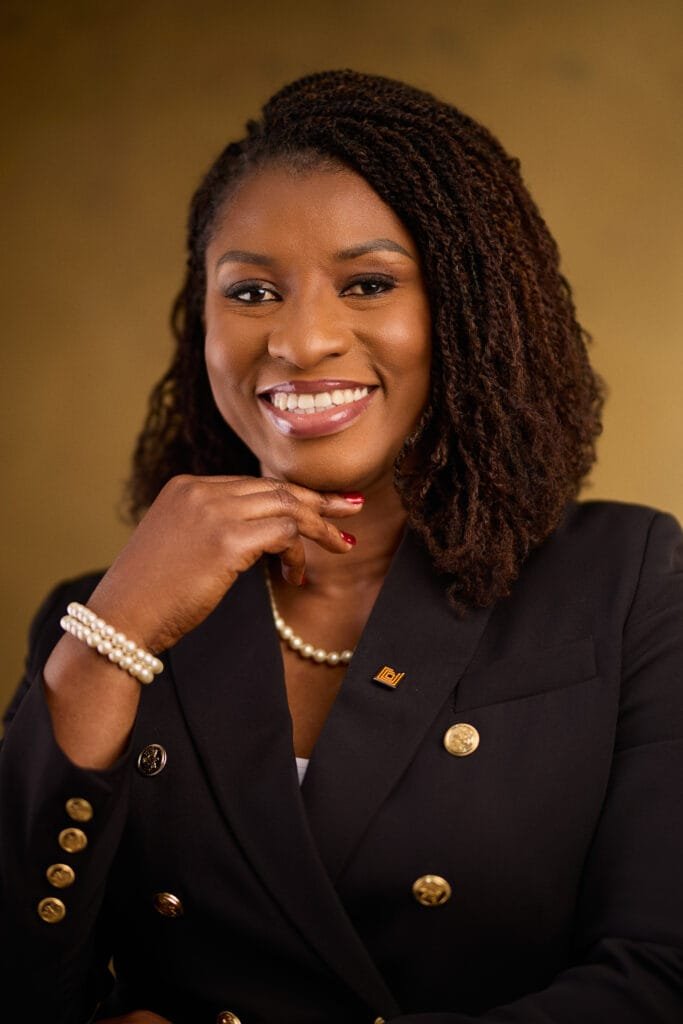
As Access Bank celebrates a decade of this groundbreaking ingenuity, Pearl Nkrumah, the Managing Director of Access Bank (Ghana) PLC., highlights the journey of The ‘W’ Initiative which continues to shape women across the length and breadth of the country.
Over the last ten years, The ‘W’ Initiative has evolved into one of Ghana’s most impactful women empowerment platforms within the financial sector. It has not only bridged the gender gap in financial inclusion but also created sustainable opportunities for women to thrive socially and economically.
“Since its inception, the initiative has touched the lives of thousands of women through tailored financial products, entrepreneurship development programs, mentorship, and health and wellness initiatives.”
The MD highlighted several defining milestones that have shaped the success of The ‘W’ Initiative over the past decade. Among them is the launch of the Maternal Health Support Scheme (MHSS) in 2016, a groundbreaking program that provided flexible financing options for medical and maternity-related expenses, easing the financial burden on women and families.
Equally transformative, according to her, were Access Bank’s strategic partnerships with development agencies and NGOs, which expanded access to funding and business support for women-owned SMEs, helping them scale operations, create jobs, and unlock their full economic potential.
Another defining moment was The W Awards— a platform celebrating exceptional women entrepreneurs— and our decade-long financial literacy programs across Ghana, which continue to empower women to make informed financial decision.”
These milestones, according to Ms. Nkrumah, reinforces the bank’s commitment to ensuring that women participate meaningfully in the economic development of Ghana and Africa at large.
The ‘W’ Initiative, Access Bank’s One-stop Hub for Women
Ms. Nkrumah explained that The ‘W’ Initiative is Access Bank’s all-encompassing platform designed to serve as a one-stop hub for every product, service, and opportunity the Bank offers to women. According to her, the initiative embodies a holistic approach to empowering women in all spheres of life— whether they are professionals seeking career growth, entrepreneurs building businesses, mothers managing family needs, or students striving for financial independence. It reflects Access Bank’s deep commitment to creating a supportive ecosystem where women can access financial tools, mentorship, and resources tailored to their unique aspirations and life stages.
When we say it is ‘the home of everything the Bank has to offer women,’ we mean that a woman can find within The ‘W’ all the tools she needs to achieve financial independence, business growth, health security, and personal development— all under one roof. From personal savings and business accounts to maternal health loans, advisory services, and networking events, The ‘W’ is a one-stop platform for women’s growth and empowerment.”
She further noted that The ‘W’ Initiative forms a key component of Access Bank’s financial inclusion drive which makes available to women, specialized bundled products and services to support them in their quest to grow their businesses, family wellbeing, and general lifestyle goals.
Obstacles Encountered and How They Were Handled
On the challenges faced in rolling out The ‘W’ Initiative over the past decade, Ms. Nkrumah stated that one of the most significant obstacles has been addressing the cultural and systemic barriers that continue to limit women’s access to finance. She noted that many women operate within the informal sector, often without collateral or formal financial records, which makes traditional lending approaches difficult. “To overcome this,” she explained, “Access Bank adopted a relationship-based and data-light approach to women financing, where factors such as social trust, savings behavior, and business track records are considered in loan assessments.”
Ms. Nkrumah further highlighted the Bank’s partnerships with organizations like the Mastercard Foundation, which helped provide credit guarantees and de-risk lending to women-led businesses, ensuring that more women can access the financial resources they need to grow and sustain their enterprises.
Additionally, digital literacy gaps and time constraints have been issues, especially for market women and rural entrepreneurs. The bank tackled these by rolling out mobile banking platforms, agency banking, on-site activations, and cash collectors to liaise directly with these market women and make transactions on their behalf, bringing banking closer to where women live and work.”
The ‘W’ Initiative Product or Service Categories
The MD disclosed that The ‘W’ Initiative was carefully designed to meet the diverse financial needs of women across different stages of life and career paths. To achieve this, Access Bank structured the initiative into four main segments, each addressing a unique demographic and its specific financial priorities.
The first, Women in Business (WIB), focuses on women entrepreneurs by offering specialized products such as the Bridge-In Loan, W Power Loan, and Business Advisory Support, all aimed at helping women expand their businesses and strengthen financial stability.
She explained that the second segment, Young Professionals, targets career-driven women and emerging leaders, providing products like Pay Day Loans and Personal Loans that support their professional and personal growth.
The third segment, W & Family, focuses on supporting women’s health and wellbeing through the Maternal Health Support Scheme (MHSS), which finances childbirth, fertility, and medical emergencies— a reflection of Access Bank’s commitment to the holistic empowerment of women beyond business.
Rounding up the segments, Ms. Nkrumah highlighted the Students and Young Women, a group encouraged to embrace financial independence early through the AccessU student account and tailored financial literacy programs.
Beyond financial products, she noted that The ‘W’ Initiative integrates value-added services such as mentorship programs, business clinics, networking opportunities, and partnerships with lifestyle and healthcare brands, ensuring that women are empowered not just financially, but personally and socially as well.
Impact of The ‘W’ Initiative in The Last Decade
The MD, Ms. Pearl Nkrumah, disclosed that the impact of The ‘W’ Initiative over the past decade has been both measurable and life-changing. She noted that thousands of women who started as micro-entrepreneurs have successfully transitioned into small and medium-scale business owners, many of whom now employ others and contribute significantly to Ghana’s GDP. This, she emphasized, demonstrates the ripple effect of empowerment— where providing access to finance and opportunities not only uplifts individual women but also strengthens families, communities, and the broader economy.
Ms. Nkrumah further explained that through platforms like The W Academy and the bank’s numerous training sessions, women have gained the confidence and skills to better manage their finances, digitize their operations, and explore new markets. The initiative’s success stories— from market traders turned exporters to professionals who have advanced into leadership roles— stand as powerful proof of how access, education, and mentorship can transform lives. According to her, these remarkable journeys reflect the essence of The ‘W’ Initiative: unlocking the potential of women to become agents of economic growth and sustainable development.
She, moreover, highlighted impact metrics or success stories which established how The ‘W’ Initiative has transformed women’s businesses and careers in the country.
Since 2015, over 30,000 women entrepreneurs have directly benefited from The ‘W’ Initiative through financial support, training, and mentorship programs. The Womenpreneur Pitch-a-Ton and Start-Up Challenge alone have empowered over 500 women, helping them access financing, build sustainable businesses, and strengthen their capacity to lead.
Through impactful partnerships with NGOs such as the Touching the Lives of Girls Foundation, Soronko Academy, WOMEC and other notable organizations, we have also empowered young girls through financial literacy, entrepreneurship, Coding, and menstrual hygiene education— opening over 200 new accounts to promote financial inclusion among adolescents and young women.”
Furthermore, the MD averred that Access Bank Ghana PLC’s collaborations with women’s associations such as the Henry Djaba Foundation, Ghana National Tailors and Dressmakers Association, Police Ladies Association, and various SME networks have expanded financial access to thousands of women across the country, supporting their growth, independence, and participation in Ghana’s economic development.
The ‘W’ Initiative Contributions To Underserved Communities
The MD disclosed that Access Bank has made deliberate efforts to extend The ‘W’ Initiative to the grassroots level, ensuring that women in underserved and rural communities also benefit from its impact. Through market activations, community outreach programs, and financial literacy sessions held across rural and peri-urban areas such as the Center for Entrepreneurship and Evaluation Development (CEED) in Adidome in the Volta Region, Kyenkyenku in the Eastern Region, and various engagements in parts of the Northern Region, the bank has successfully reached women who would otherwise have little or no access to formal banking services.
These interventions, she emphasized, are part of Access Bank’s commitment to bridging the inclusion gap and empowering women in every corner of Ghana with the knowledge and tools needed to participate fully in the financial ecosystem.
Our partnership-driven approach with groups such as Super A1, church women’s ministries, and local cooperatives allows us to leverage trusted community structures to deepen engagement and inclusion. Additionally, through agency banking, mobile wallet services, and digital banking platforms, we continue to make it easier for women to save, borrow, and transact securely without needing to visit a physical branch.”
Beyond financing, Ms. Pearl Nkrumah explained that Access Bank recognizes that financial support alone is not enough to drive women’s empowerment. For this reason, The ‘W’ Initiative integrates capacity building, mentorship, and advisory services as essential components of its model. She highlighted flagship programs such as the “Womenpreneur Pitch-a-ton,” which combines business training, mentorship, and grant opportunities for exceptional women entrepreneurs.
Locally, the bank also organizes W Masterclasses and business clinics, where industry experts offer practical guidance on bookkeeping, digital marketing, and business expansion strategies. Ms. Nkrumah emphasized that beyond providing access to finance, the initiative connects women to a vibrant network of mentors and professionals across industries, helping them build sustainable businesses and long-term growth through continuous learning and strategic support.
The ‘W’ Initiative; Beyond Just Banking, It’s A Community!
Ms. Pearl Nkrumah stated that what makes The ‘W’ Initiative stand out amid other women-focused banking programs is its unique ability to go beyond traditional banking. According to her, it is not merely about offering accounts or loans but about building a vibrant community of empowered women who learn, collaborate, and thrive together.
She emphasized that The ‘W’ Community represents a network of women who support one another’s growth through shared knowledge, mentorship, and collective empowerment— a space where financial services meet purpose, and where every woman is given the tools and confidence to succeed both personally and professionally.
“As the pioneer in banking with women from all walks of life, we’ve spent a decade building credibility, partnerships, and success stories. Our ecosystem integrates finance, capacity building, and lifestyle benefits— ensuring women have all-round support for business and personal growth.
“Joining The ‘W’ Community means becoming part of a network that celebrates and supports you— through funding, mentorship, health support, and recognition.”
The Next Decade of the ‘W’ Initiative
The MD, Pearl Nkrumah noted that the next decade of The ‘W’ Initiative will focus on advancing digital inclusion, green financing, and the growth of women-owned enterprises across Ghana and beyond. She explained that Access Bank is exploring innovative credit models powered by data analytics to make financing more accessible to informal and rural women entrepreneurs, many of whom face challenges meeting traditional lending requirements. By leveraging technology and alternative data, the Bank aims to close the financial access gap and empower more women to participate meaningfully in Ghana’s economic transformation.
She further revealed that Access Bank intends to expand the Maternal Health Support Scheme (MHSS), one of the initiative’s flagship programs, to cover cancer treatment and other medical emergencies. This expansion, she said, reflects the Bank’s commitment to addressing women’s broader health and wellbeing needs. Additionally, the Bank plans to strengthen access to financial services through its QuickBucks and Access More digital platforms, ensuring that women can conveniently access loans, savings, and other support tools at their fingertips, regardless of their location.
Ultimately, Ms. Nkrumah emphasized that The ‘W’ Initiative will remain central to Access Bank’s long-term vision of building a truly inclusive financial ecosystem where every woman has the opportunity, tools, and confidence to prosper and lead.
Beyond The 10th Anniversary
Ms. Nkrumah disclosed that beyond the 10th anniversary, members of The ‘W’ Community can look forward to an exciting new phase marked by innovative financial products, expanded mentorship opportunities, and regional integration of the platform across West Africa. She explained that Access Bank remains committed to deepening the impact of The ‘W’ Initiative by introducing tailored solutions that address the evolving needs of women, while also creating cross-border opportunities for collaboration, business growth, and leadership development.
“My message to every woman in The ‘W’ Community is simple: continue to believe in your potential and keep breaking barriers. Access Bank remains your partner for life — ready to walk with you every step of your journey toward financial independence and leadership.”
Ms. Nkrumah reaffirmed the Bank’s dedication to walking alongside women in their journey toward financial independence and empowerment, emphasizing that the next chapter of The ‘W’ Initiative will be even more transformative and inclusive.