


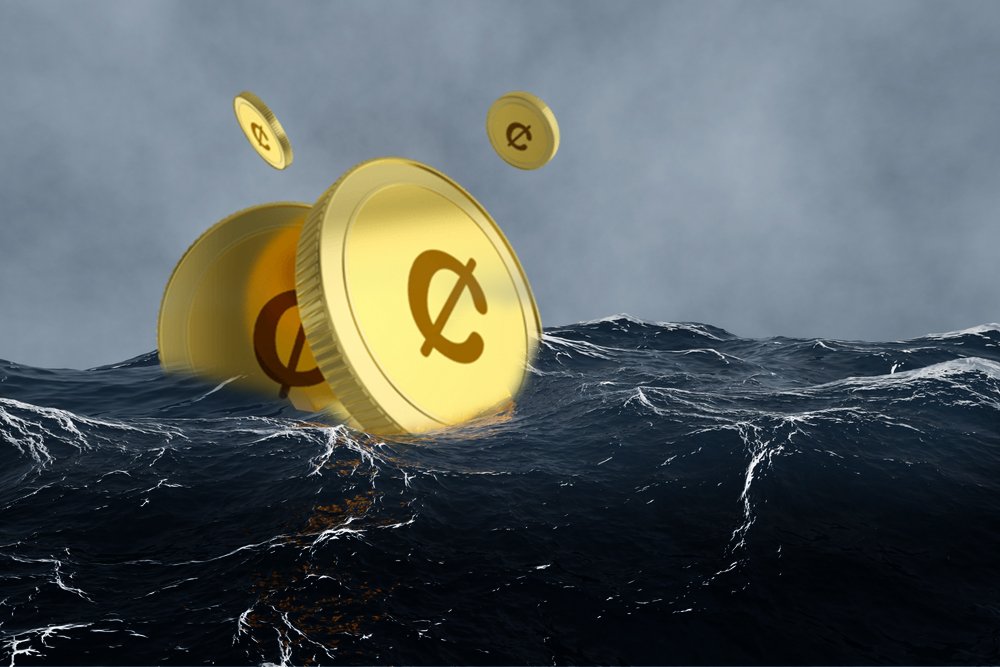
In recent years, Ghana’s banking sector has undergone a host of reforms aimed at restoring confidence, strengthening balance sheets, and improving regulatory oversight. These efforts, led largely by the Bank of Ghana, helped stabilize the financial system after a period of turbulence. Yet, just as the sector began to find its footing, a new and more complex challenge has emerged, one that originates far beyond Ghana’s borders.
Today, Ghana’s banks are confronting mounting liquidity pressures driven by geopolitical tensions, volatile commodity prices, and shifting global capital flows. The warning signs are becoming increasingly difficult to ignore. What makes this situation particularly concerning is not just the presence of these risks, but the way they are converging at the same time, creating a fragile environment for financial stability.
For a country like Ghana, whose financial system is closely integrated with global markets, external shocks do not remain distant events. They travel quickly through financial channels, affecting liquidity, exchange rates, and credit conditions. The result is a banking sector that must now brace for what could become a prolonged period of strain.
How Global Tensions Are Reaching Local Banks
The global economy is currently shaped by uncertainty. Conflicts in key regions like the current one ongoing in the Middle East, trade disputes, and shifting alliances have created an unpredictable environment for investors and financial institutions. For Ghana, these developments are not abstract geopolitical narratives, they have direct and measurable consequences.
Ghana’s banking system relies heavily on international linkages. Trade financing supports imports and exports; correspondent banking relationships facilitate cross border payments; and foreign portfolio investments provide critical liquidity to domestic markets. When global tensions rise, these channels often weaken. International investors tend to move their capital toward safer markets during such periods of uncertainty.
This shift reduces inflows into emerging economies like Ghana. At the same time, global banks become more cautious in their dealings, tightening conditions for correspondent banking relationships. These changes reduce access to foreign exchange and increase the cost of financial transactions.
The cumulative effect is a tightening of liquidity within the domestic banking system. Banks that once relied on relatively stable external flows now find themselves navigating a more volatile and unpredictable environment.
Liquidity: The Lifeblood Under Threat
Liquidity is the ability of banks to meet their short term obligations, fund operations, and extend credit to businesses and households. Without adequate liquidity, even well capitalized banks can face significant challenges.
In Ghana, liquidity has traditionally been supported by a mix of customer deposits, remittance inflows, and external financing. However, each of these sources is now under pressure.
Remittance inflows, while still significant, are vulnerable to economic slowdowns in countries where Ghanaians live and work. External financing is becoming more expensive due to higher global interest rates. Meanwhile, domestic deposits are increasingly sensitive to inflation, as households adjust their spending and saving patterns.
As liquidity tightens, banks may become more cautious in their lending. This can lead to reduced access to credit for businesses, particularly small and medium sized enterprises. The implications for economic growth are substantial, as credit is a key driver of investment and expansion.
Commodity Dependence and the Oil Price Puzzle
Ghana’s vulnerability to external shocks is further amplified by its dependence on commodities. The country’s economic fortunes are closely tied to global prices for oil, gold, and cocoa. Among these, oil plays a particularly complex role.
When geopolitical tensions disrupt global energy markets as it’s been witnessed, oil prices often experience sharp fluctuations. For Ghana, rising oil prices can increase import costs, putting pressure on foreign exchange reserves and contributing to inflation. At the same time, as an oil producing nation, Ghana may benefit from higher export revenues. However, these benefits are not always sufficient to offset the broader economic impact.
Higher energy costs affect transportation, manufacturing, and household expenses. This creates inflationary pressures that erode purchasing power and increase the cost of doing business. For banks, the result is an increase in credit risk, as borrowers struggle to meet their repayment obligations.
The volatility of oil prices also complicates fiscal planning. Government revenues become less predictable, and expenditure pressures increase. This can lead to higher borrowing needs, which may crowd out private sector access to credit.

Monetary Policy in a Tight Corner
The task of managing these challenges falls heavily on the shoulders of the Bank of Ghana. As the country’s central bank, it is responsible for maintaining price stability, ensuring financial sector stability, and supporting economic growth.
However, the current environment presents a difficult situation. On one hand, rising inflation may require tighter monetary policy. On the other hand, tightening liquidity conditions call for measures that support the banking system.
Raising interest rates can help control inflation, but it also increases borrowing costs and reduces access to credit. Lowering rates, meanwhile, may provide relief to banks and borrowers but could weaken the currency and fuel further inflation.
This policy dilemma highlights the complexity of managing a financial system that is highly exposed to external shocks. It also underscores the importance of coordination between monetary and fiscal authorities.
The Strain on Correspondent Banking Relationships
One of the less visible but critically important aspects of Ghana’s financial system is its network of correspondent banking relationships. These partnerships allow local banks to conduct international transactions, access foreign currency, and support trade.
In recent years, these relationships have come under increasing strain. Global banks are facing stricter regulatory requirements and are more cautious about exposure to emerging markets. This has led to a phenomenon known as “de risking,” where international banks reduce or terminate relationships with smaller institutions.
For Ghanaian banks, the loss or tightening of correspondent banking relationships can have serious consequences. It can limit their ability to process international payments, increase transaction costs, and reduce access to foreign exchange.
This, in turn, exacerbates liquidity challenges and creates additional hurdles for businesses that rely on international trade.

Remittances: A Lifeline Facing Uncertainty
Remittances have long served as a vital source of foreign exchange for Ghana. Funds sent by Ghanaians living abroad support household consumption, education, healthcare, and small business activities.
In many ways, remittances act as a stabilizing force during economic downturns. However, they are not immune to global developments. Economic challenges in host countries, changes in employment conditions, and geopolitical tensions can all affect the flow of remittances.
A decline in remittances would have far reaching implications. It would reduce household incomes, weaken consumption, and diminish the pool of foreign exchange available to the banking system. At a time when liquidity is already under pressure, this could further strain financial stability.
Investor Sentiment and Capital Flight Risks
Investor confidence is a key determinant of capital flows. When confidence is high, foreign investors are more willing to invest in government bonds, equities, and other financial instruments. When confidence wanes, these flows can quickly reverse.
Ghana’s financial markets have experienced periods of volatility in recent years, reflecting broader global trends. In times of uncertainty, investors often seek safer assets, leading to capital outflows from emerging markets.
These outflows can put pressure on the local currency, increase borrowing costs, and reduce liquidity within the financial system. They can also complicate the government’s efforts to raise funds from international markets.
For banks, the impact is indirect but significant. Reduced liquidity in the financial system can limit their ability to lend and increase the cost of funding.
The Real Economy Feels the Impact
The challenges facing the banking sector do not exist in isolation. They are closely linked to the performance of the real economy. As banks tighten lending conditions, businesses may struggle to access the financing they need to operate and grow.
Small and medium sized enterprises are particularly vulnerable. These businesses often rely on bank loans to finance working capital, invest in equipment, and expand their operations. When credit becomes scarce or expensive, their growth prospects are constrained.
Households are also affected. Higher interest rates and inflation reduce disposable income, leading to lower consumption. This, in turn, affects business revenues and employment levels.
The result is a feedback loop where financial sector challenges and economic slowdown reinforce each other. Breaking this cycle requires timely and effective policy interventions.
Regulatory Vigilance and Risk Management
In times of uncertainty, the role of regulators becomes even more critical. The Bank of Ghana has already implemented several measures to strengthen the banking sector, including higher capital requirements and improved supervision.
However, the current environment calls for continued vigilance. Banks must adopt robust risk management practices, including stress testing, liquidity planning, and diversification of funding sources.
Regulators, meanwhile, must ensure that financial institutions remain resilient in the face of external shocks. This includes monitoring liquidity levels, enforcing prudential standards, and providing guidance on emerging risks.
Opportunities Within the Crisis
While the outlook may appear challenging, it is important to recognize that periods of uncertainty also create opportunities for reform and innovation.
The current situation presents an opportunity for Ghana to deepen its domestic financial markets, reduce reliance on external financing, and strengthen regional integration. Initiatives such as the African Continental Free Trade Area offer potential avenues for expanding trade and investment within the region.
Technology also has a role to play. Digital financial services can improve efficiency, expand access to financial products, and enhance the resilience of the banking system.
By embracing these opportunities, Ghana can build a more robust and adaptable financial system that is better equipped to handle future shocks.
Strengthening the Foundations for Long Term Stability
Addressing the immediate liquidity challenges is important, but it is equally essential to focus on long term structural reforms. Diversifying the economy, improving fiscal discipline, and enhancing export competitiveness are critical steps toward reducing vulnerability to external shocks.
Building strong institutions and maintaining policy credibility are also key. Investors and market participants are more likely to maintain confidence in a system that is transparent, predictable, and well managed.
For Ghana, this means continuing to implement reforms that strengthen the financial sector while also addressing broader economic challenges.
Preparing for What Lies Ahead
Ghana’s banking sector stands at a critical juncture. The convergence of geopolitical tensions, commodity price volatility, and shifting capital flows is creating a complex and uncertain environment.
Liquidity pressures are building, and the risks to financial stability are becoming more pronounced. Yet, with proactive policy measures, strong regulatory oversight, and a commitment to reform, these challenges can be managed.
The road ahead will require careful planning. It will demand coordination between policymakers, resilience from financial institutions, and confidence from investors. Above all, it will require a clear understanding that in a globalized world, financial stability is not just a domestic concern but a shared responsibility shaped by forces far beyond national borders.
As Ghana’s banks brace for a looming liquidity crunch, the decisions made today will determine the strength and stability of the financial system in the years to come.