

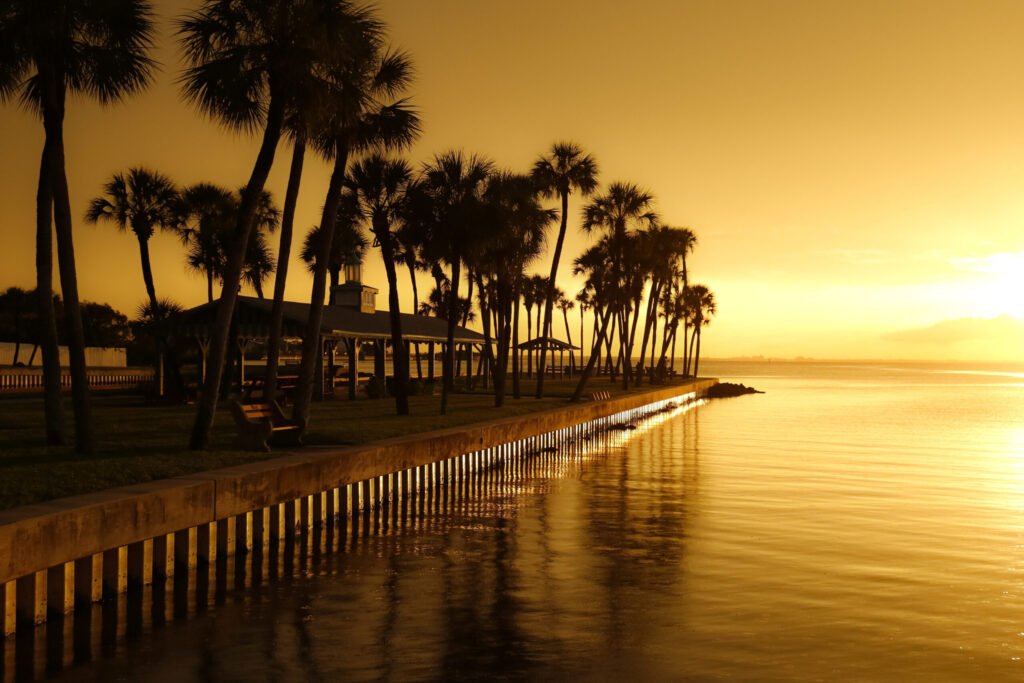
The warm Atlantic breeze carries the scent of salt and freedom as you step onto the veranda of a sleek modern villa. Waves crash gently just meters away, while palm trees sway lazily overhead. This isn’t a five-star resort in the Maldives or a private escape in the Caribbean. This is Ghana’s coastline and right now, it’s one of the hottest real estate stories on the African continent.
I still remember the first time I visited a beachfront development outside Accra. The developer walked me through a half-finished 3-bedroom villa with infinity pool, open-plan living that flowed straight onto the sand, and views that made my jaw drop.
“We sold three units this morning,” he said casually, as if it were nothing. By the end of that weekend, another five had gone under offer. That was when I realized: Ghana’s beachfront market isn’t just growing — it’s exploding.
Why Ghana’s Coastline Is Suddenly Irresistible
Ghana has always had the raw ingredients for paradise: over 500 kilometers of stunning Atlantic coastline, golden beaches, historic forts, vibrant fishing villages, and a climate that feels like permanent vacation mode. What’s changed in the last few years is the infrastructure, investor confidence, and sheer demand from both locals and foreigners.
Areas that were once sleepy weekend getaways, places like Mankwadze, Gomoa Fetteh, Prampram, Ada Foah, Kokrobite, Busua, and stretches near Cape Coast and Elmina, are now seeing serious money pour in. Gated resorts with luxury villas, private pools, and full-service amenities are popping up faster than anyone expected.
Part of the appeal is pure escapism. After the hustle of Accra’s traffic and business scene, professionals and entrepreneurs are craving a place to unwind. But it’s not just about second homes.
Many buyers see these properties as smart investments. Tourism in Ghana continues to rebound strongly, and short-term rentals (think Airbnb for international visitors and diaspora families) are delivering attractive returns. Some developments report nightly rates climbing 15-20% year on year in prime spots.
Foreign interest is another big driver. Nigerians, Americans, Brits, Chinese investors, and especially the Ghanaian diaspora are snapping up units. With Ghana’s relative political stability, improving economic indicators, and a young, vibrant population, the country feels like a safe bet compared to more volatile markets elsewhere in the region. Remittances from abroad keep flowing, and many returnees want a tangible asset that also gives them a slice of home.
Inside the Developments That Are Defining the Gold Rush
Let’s talk specifics, because these aren’t basic beach shacks. In Mankwadze, about 72 km from Accra in the Central Region, one resort-style project offers a limited collection of luxury villas. Prices start around $285,000 for a 2-bedroom garden villa and go up to $550,000 for larger 4-bedroom units with private pools. The development includes resort amenities like restaurants and communal areas, making it attractive for both personal use and rental income.
Further east, near Ada, a 2-bedroom beachfront chalet with private pool in a gated resort opposite popular spots like Aqua Safari is listed around $180,000. It’s positioned as a high-demand vacation rental play in one of Ghana’s fastest-growing leisure areas.
In Prampram, you’ll find everything from serviced beach plots starting at $30,000–$150,000 to fully built luxury villas. One standout is a sprawling 5-bedroom property with multiple living areas, ocean views, and high-end finishes, the kind of place where you can host family gatherings or entertain business associates while the sea provides the soundtrack.
Gomoa Fetteh has become particularly buzzy. Projects like Eleven Eleven Beach Resort and 44 Residences feature modern ocean-view villas, private pools, and even golf carts for getting around the community. These aren’t isolated homes; they’re emerging lifestyle enclaves designed for people who want luxury without sacrificing convenience, many are just 1 to 1.5 hours from Accra.
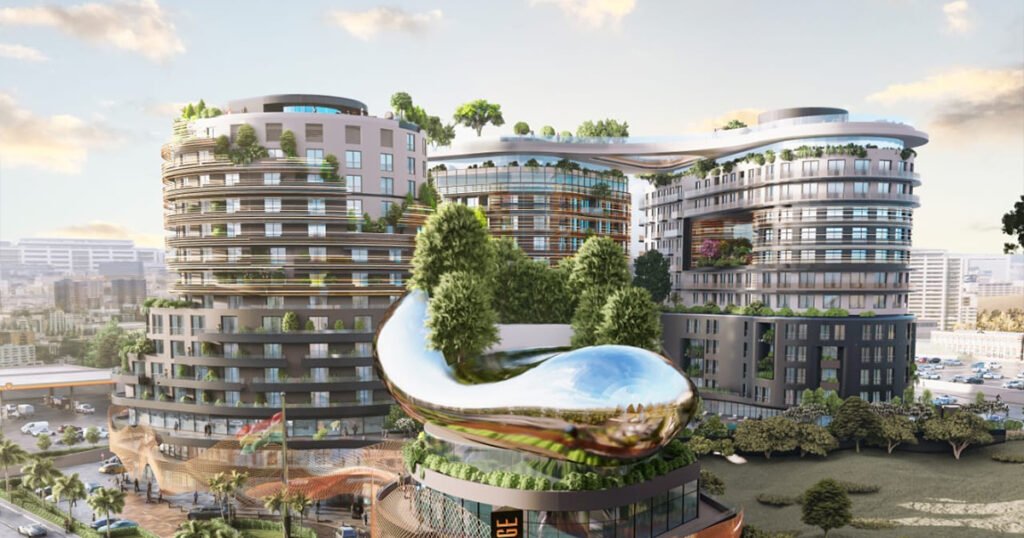
What surprises many first-time visitors is the quality. Developers are bringing in contemporary architecture: think floor-to-ceiling glass, sustainable materials where possible, smart home features, and outdoor living spaces that blur the line between indoors and the beach. Some villas come fully furnished with high-end kitchens, air conditioning, and even solar power options to hedge against occasional grid issues.
Prices vary widely depending on location, size, and finishes. Entry-level 1-bedroom garden villas can start as low as $104,000–$120,000, while 3-bedroom pool villas often land between $240,000 and $349,000. Larger luxury units or prime beachfront plots can push well into the $400k–$600k+ range. Compared to similar properties in Europe or the Caribbean, many buyers feel they’re getting exceptional value — especially with the potential for appreciation.
The Investor’s Angle: Returns, Rentals, and Long-Term Play
For pure investors, the numbers are compelling. Coastal properties in well-managed developments are seeing annual appreciation estimates of 12-18% in some hotspots, driven by limited supply of true beachfront land and rising tourism.
Rental yields can be strong too. A well-located 2- or 3-bedroom villa can generate solid income through short-term holiday lets, especially during peak seasons when diaspora visitors, expats, and international tourists flock to Ghana’s beaches. Some owners report covering a significant portion of their mortgage or maintenance costs through rentals, with the added bonus of personal use whenever they want.
Government initiatives are helping too. Coastal protection projects in places like Cape Coast, Elmina, and Prampram aim to combat erosion and make these areas more secure for long-term development. While challenges remain, the overall direction signals confidence in the coastline’s future.
Diaspora buyers are a particularly reliable force. Many see beachfront property as both an emotional connection to home and a practical wealth-building tool. With Ghana’s economy showing resilience and GDP growth projections hovering around 5% in coming years, the fundamentals look promising.
Not All Beaches Are Created Equal: Choosing Your Spot
Prampram and Gomoa Fetteh appeal to those wanting proximity to Accra, perfect for weekend escapes or easy management of rental properties.
Ada Foah offers a more laid-back, estuary-meets-ocean vibe with strong leisure credentials and growing resort infrastructure.
Cape Coast/ Elmina areas blend history and natural beauty. The castles, cultural festivals, and scenic coastline attract a different crowd, think heritage enthusiasts and eco-tourism fans. Some developments here focus on boutique-style villas that respect the local architecture and environment.
Busua and the Western Region feel more adventurous and surf-oriented, with dramatic scenery and fewer crowds.
Kokrobite, closer to Accra, has long been popular with creatives and bohemians but is seeing more upscale developments as demand grows.
Each area has its personality. The key is matching your lifestyle and goals to the location. A family-oriented investor might prefer a gated resort with amenities, while someone seeking seclusion might look for a private plot further afield.
Stories from Buyers and Locals
Meet Akosua, a Ghanaian professional working in finance in Accra. She bought a 2-bedroom villa in Mankwadze last year. “I was tired of spending weekends in traffic just to reach the beach. Now I drive down on Friday evening, open the doors to the sea air, and feel like I’m on holiday. During the week, it’s rented out to visitors. It pays for itself and gives me peace of mind.”
Then there’s Michael, a British-Ghanaian who returned after decades abroad. “I looked at properties in Spain and Portugal, but nothing felt like this. The warmth of the people, the food, and the culture— owning a piece of the beach here connects me to my roots in a way no European villa ever could.”
Local communities have mixed feelings, as you’d expect. Some fishing families have benefited from new jobs in construction, hospitality, and security at the resorts. Others worry about rising land prices pushing them further inland or changing the character of their villages. Responsible developers are trying to bridge that gap through community projects, employment preferences, and cultural sensitivity — but it’s an ongoing conversation.
The Challenges Nobody Talks About Enough
No gold rush is without its realities. Coastal erosion remains a serious issue in parts of Ghana. Rising sea levels, stronger waves, and historical sand mining have eaten away at shorelines in places like Ada and sections near Keta. The government has invested in sea defense walls and groynes in several areas, but experts emphasize the need for sustainable, nature-based solutions alongside engineering works.
Buyers must do thorough due diligence. Land title issues can still arise in Ghana, though the digitization of land registries is improving transparency. Always work with reputable lawyers and surveyors. Flood risk, building regulations near the shoreline, and environmental impact assessments matter more than ever.
Infrastructure can be a mixed bag. While major roads are improving, some coastal stretches still have bumpy access during rainy seasons. Power and water reliability vary. However, many new developments mitigate this with solar, generators, and boreholes, but it’s something to factor in.
Then there’s the environmental footprint. Rapid development brings pressure on local ecosystems such as mangroves, turtle nesting sites, and marine life. Forward-thinking buyers and developers are increasingly prioritizing eco-friendly designs, waste management, and conservation efforts.
What the Future Holds for Ghana’s Beachfront
In 2026 and beyond, the momentum feels real. Tourism growth, diaspora investment, and Ghana’s broader economic story are converging on the coastline. New infrastructure projects, including improvements to coastal roads and the ambitious Marine Drive initiative in Accra, could further unlock value.
We’re also seeing more interest in sustainable and community-integrated developments. Villas that incorporate local materials, support nearby businesses, and minimize environmental harm may command premiums as conscious luxury becomes more important to buyers.
For those considering entry, timing matters. Prime beachfront land is finite. Once the best plots are developed, prices in established areas are likely to climb further. Off-plan purchases in well-vetted projects can offer discounts and customization, but they come with construction risk, choosing developers with strong track records is vital.
Your Slice of Paradise: Is It Time?
Standing on that veranda I mentioned earlier, watching the sunset paint the ocean gold, it’s easy to get swept up in the romance. But behind the dream is a market that rewards research, patience, and realistic expectations.
Ghana’s beachfront gold rush isn’t about getting rich overnight. It’s about finding a place that delivers joy, potential income, and a meaningful connection to one of Africa’s most beautiful coastlines. Whether you’re a diaspora Ghanaian longing for home, an international investor diversifying, or simply someone who wants to wake up to the sound of waves, the opportunity is here.
The villas are selling fast. The question is: will you be watching from the shore, or will you be the one sipping a drink on your own ocean-view balcony as the next wave of buyers arrives?
If the idea of owning your piece of Ghana’s coastline is calling, now is the moment to start exploring. Paradise rarely waits forever.