

Kenya entered 2026 carrying both the promise of economic recovery and the burden of unresolved fiscal challenges. However, the contrast between economic optimism and growing public concerns is defining the country’s outlook in 2026. Meanwhile, macroeconomic indicators point to a resilient recovery, characterized by steady GDP growth, controlled inflation, and a rebound in key sectors.
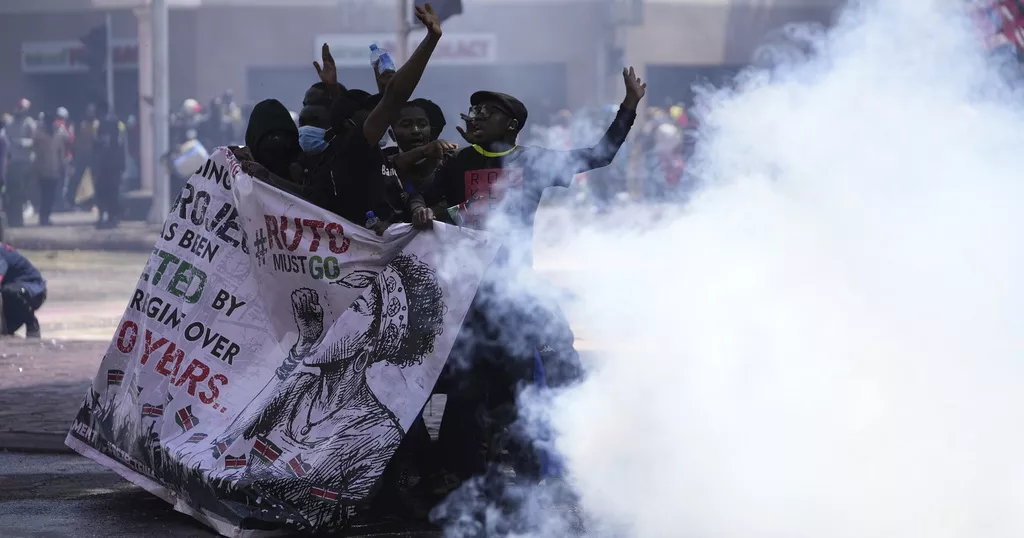
Yet beneath these promising figures lies deep public frustration over mounting public debt, aggressive tax measures contained in the Finance Bill 2026, persistent youth unemployment, and a growing perception that economic gains benefit only a narrow elite. As the government pushes its Bottom-Up Economic Transformation Agenda amid preparations for the 2027 general elections, many are questioning whether the combination of fiscal pressures and social discontent could ignite widespread unrest similar to the protests witnessed in 2024.
Considering the tensions shaping Kenya’s economic landscape in mid-2026, the budget battle, the nature of the uneven recovery, the structural challenges facing ordinary citizens, analysts are examining the risks that could determine whether the country experiences stability or social upheaval in the coming year.
A Budget Defined by Ambition and Austerity
On 11 June 2026, Treasury Cabinet Secretary John Mbadi presented the FY 2026/27 Budget to Parliament under the theme of sustaining the Bottom-Up Economic Transformation Agenda for resilient and inclusive growth amid global uncertainty.
The budget projects total expenditure of approximately KSh4.82 trillion against expected revenue and grants of around KSh3.67 trillion. This leaves a substantial fiscal deficit of about KSh1.146 trillion, equivalent to roughly 5.5 percent of GDP.
The government plans to finance this gap primarily through domestic borrowing of more than KSh1 trillion, with a smaller portion sourced externally. Revenue targets remain ambitious, with the Kenya Revenue Authority expected to collect approximately KSh3.5 trillion.
To achieve this objective, the Finance Bill 2026 introduced several measures aimed at broadening the tax base, including adjustments to rental income taxation for non-residents, changes to mobile money interchange fees, and various excise duty and VAT modifications. Some proposals, such as VAT exemptions on electric vehicles and animal feed, along with a tax amnesty programme, were presented as business-friendly. Others, however, sparked immediate controversy.
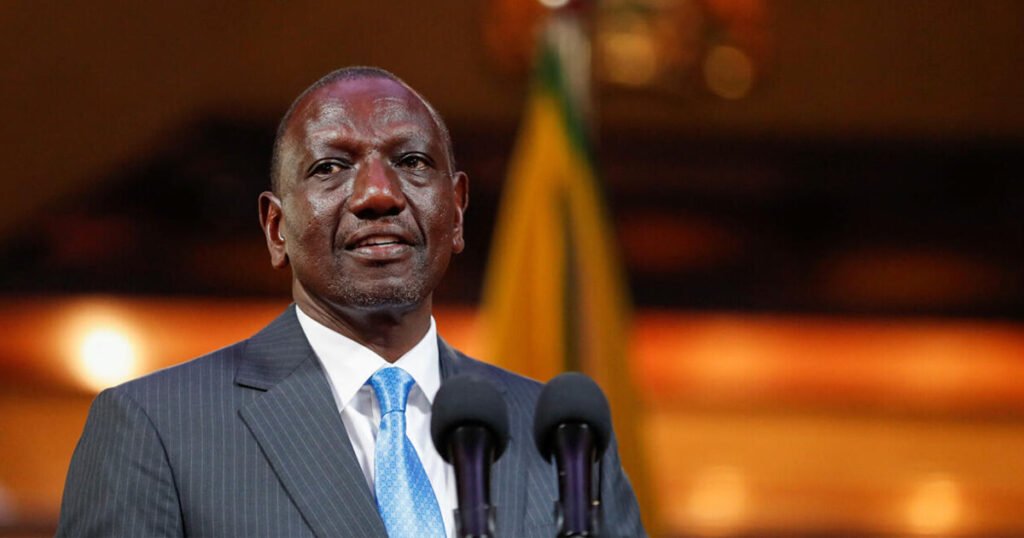
The National Assembly passed the Finance Bill 2026 by a vote of 122 to 40, with many Members of Parliament absent during the crucial division. Government supporters hailed the outcome as a necessary step toward fiscal sustainability and the financing of development priorities. Critics, including opposition figures such as Rigathi Gachagua, described the measures as burdensome and disconnected from the daily realities of ordinary Kenyans.
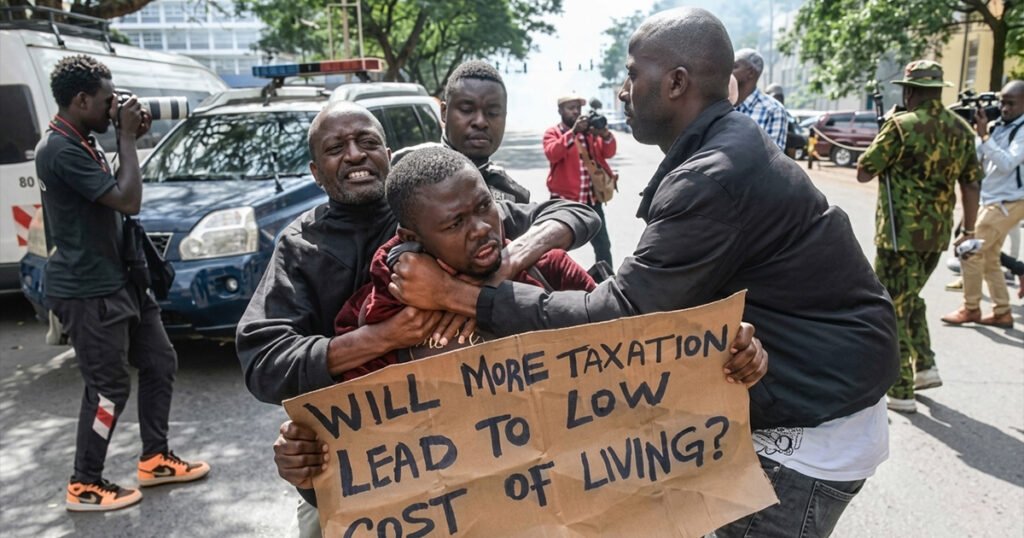
Civil society organizations and business associations called for revisions, warning that additional taxes could worsen the cost-of-living crisis and suppress economic activity.
This budget arrives against a backdrop of ongoing fiscal consolidation efforts. Public debt has climbed above KSh12 trillion and now stands at approximately 67 to 70 percent of GDP. Debt servicing continues to consume a significant share of government resources, crowding out critical expenditure on health, education, and infrastructure.
While authorities emphasize measures aimed at slowing debt accumulation and improving revenue mobilization, many economists question whether the targets are realistic given historical revenue shortfalls and increasing political pressures ahead of the 2027 elections.
Signs of Recovery Amid Global Headwinds
Kenya’s economy has demonstrated notable resilience. Real GDP growth reached approximately 4.7 to 5.0 percent in 2025, supported by rebounds in construction, services, mining, and tourism.
Projections for 2026 range from 4.6 percent, according to the African Development Bank, to approximately 5 percent based on forecasts from institutions such as the World Bank and the IMF. Key drivers include lower interest rates following monetary easing by the Central Bank of Kenya, improved agricultural performance during favourable seasons, and continued growth in fintech and digital services.
Inflation has remained within the Central Bank’s target range of 2.5 to 7.5 percent, declining to around 4.1 percent in 2025 and expected to rise modestly to approximately 5.4 percent in 2026.
The Kenyan shilling has also demonstrated relative stability, supported by stronger foreign exchange reserves that now cover more than five months of imports. Credit growth has recovered modestly as lending rates have declined, supporting sectors such as construction.

Sectors including accommodation and food services recorded strong double-digit growth in recent data, while mining and quarrying expanded significantly. These developments paint a picture of an economy gradually recovering from earlier shocks related to global commodity prices, climate variability, and post-pandemic adjustments.
Private consumption and public infrastructure spending continue to underpin economic demand. Yet this recovery feels uneven and fragile to many observers.
Agricultural performance remains highly dependent on weather conditions, while external risks such as conflicts in the Middle East affecting oil prices or disruptions to global trade could quickly undermine recent gains.
More importantly, macroeconomic stability has not translated into broad-based improvements in living standards.
The Jobs Crisis Haunting A Young Nation
Perhaps the most glaring disconnect in Kenya’s economic story lies in the labour market. Despite continued GDP expansion, formal job creation remains insufficient.
The economy struggles to absorb the more than one million young people entering the workforce each year. Official youth unemployment rates among those aged 15 to 24 hover around 15 percent. However, broader measures covering the 15-to-34 age group, including underemployment, present a far bleaker picture, with some estimates suggesting effective unemployment rates approaching 30 percent or higher in urban centres.
The vast majority of employed youth work in the informal sector, often in low-productivity and precarious jobs with limited social protection. This structural mismatch between skills, opportunities, and the economy’s capacity to generate quality employment continues to fuel frustration.
Many university graduates and technical trainees find themselves operating boda bodas, selling goods on the streets, or remaining dependent on family support well into their late twenties.
The budget allocates resources toward youth-focused initiatives, including education, digital innovation, sports, housing, and social protection programmes. However, critics argue that these interventions remain insufficient in scale and impact relative to the country’s demographic pressures.
Without rapid expansion of labour-intensive industries, value-added agriculture, and genuine private-sector growth, the youth bulge risks becoming a source of social instability rather than a demographic dividend.
Stories emerging from Nairobi’s informal settlements, Kisumu, Mombasa, and rural counties reveal a common theme. Young people express growing frustration with promises of transformation that have failed to deliver meaningful employment opportunities or lower living costs.
This sentiment is increasingly reflected in online discussions and community forums, where hashtags and calls for accountability frequently gain traction.
Cost-of-Living Pressures and Public Discontent
High debt-servicing costs and new tax measures directly affect household budgets. Many Kenyans continue to grapple with elevated prices for food, fuel, transport, and housing despite the moderation of headline inflation.
Food security remains vulnerable to climate-related shocks, while fuel costs continue to transmit global oil-price volatility into the domestic economy.
Public perception increasingly holds that economic growth benefits large corporations, politically connected elites, and urban professionals far more than small traders, farmers, and informal-sector workers.
Corruption scandals and reports of public-sector wastage have further eroded trust in government institutions. Allocations such as the significant increase in State House spending have attracted sharp criticism, with opponents questioning these priorities at a time when development budgets face mounting constraints.
The Finance Bill 2026 has become a focal point for many of these grievances. Proposals perceived as increasing the tax burden on essential goods, digital transactions, and small businesses have revived memories of the 2024 protests, which forced the withdrawal of an earlier finance bill and resulted in tragic loss of life.
Although the 2026 Bill has passed Parliament, public debate remains intense, with opposition politicians, civil society groups, and affected sectors warning of potential demonstrations should implementation prove excessively punitive.
Political Economy and Risks Ahead of 2027
The FY 2026/27 Budget and Finance Bill are unfolding against a politically charged backdrop. With general elections scheduled for 2027, fiscal decisions carry heightened political consequences.
The government must balance the need to generate revenue for debt servicing and public programmes against the risk of alienating voters through austerity measures and increased taxation.
Opposition figures have seized upon narratives of over-taxation and debt mismanagement. Meanwhile, the ruling coalition continues to emphasize long-term structural reforms, infrastructure development, and targeted support under the Bottom-Up Economic Transformation Agenda.
The low turnout and divisions witnessed during the Finance Bill vote suggest underlying political fractures that could widen in the months ahead. External factors add further uncertainty. Global economic fragmentation, climate-related disruptions, and commodity-price volatility could force difficult policy choices.
Debt sustainability remains a concern despite improved reserve positions, as high interest payments continue to limit fiscal space. International financial institutions have consistently urged stronger revenue mobilization and greater expenditure discipline.
Pathways to Inclusive Growth or Heightened Tension
Kenya possesses undeniable strengths. A youthful population, a vibrant private sector—particularly in technology and services—a strategic geographic location, and ongoing infrastructure investments provide strong foundations for future growth.
Successful implementation of targeted reforms in agriculture, manufacturing, and green-economy sectors could generate the millions of jobs the country requires.
Achieving this, however, demands more than sound macroeconomic management. It requires addressing governance shortcomings, tackling corruption decisively, improving the business environment for small and medium-sized enterprises, and ensuring that tax policies do not disproportionately burden lower-income households.
Greater investment in quality education, skills development aligned with labour-market needs, and effective social protection programmes would help transform demographic pressure into productive economic capacity.
The coming months will be decisive. The implementation of the budget, public reaction to new tax measures, the performance of key sectors, and the government’s responsiveness to citizen concerns will shape Kenya’s trajectory.
If ordinary Kenyans continue to feel excluded from the recovery process, social tensions could intensify. Conversely, visible progress on job creation, cost-of-living relief, and transparent governance could help rebuild trust and stabilize the political economy.
A Nation on Edge
Kenya’s story in 2026 is one of stark contrasts. Impressive headline economic indicators coexist with profound everyday struggles. The budget battle encapsulates deeper questions about who benefits from growth and how the country can manage its debt burden without undermining social cohesion.
Whether Kenya experiences an explosion of social unrest in 2026 depends less on GDP growth rates and more on whether policymakers can bridge the gap between macroeconomic resilience and the lived realities of ordinary citizens.
The recovery is real, but it remains uneven. The budget offers a roadmap, yet its success depends on execution that prioritizes inclusivity and tangible improvements in people’s lives.
As citizens watch closely and political temperatures rise ahead of the 2027 elections, the margin for policy error remains narrow. Kenya’s leaders, together with its vibrant and increasingly demanding youth population, will ultimately determine whether this period becomes one of consolidation and progress or one of confrontation and instability.