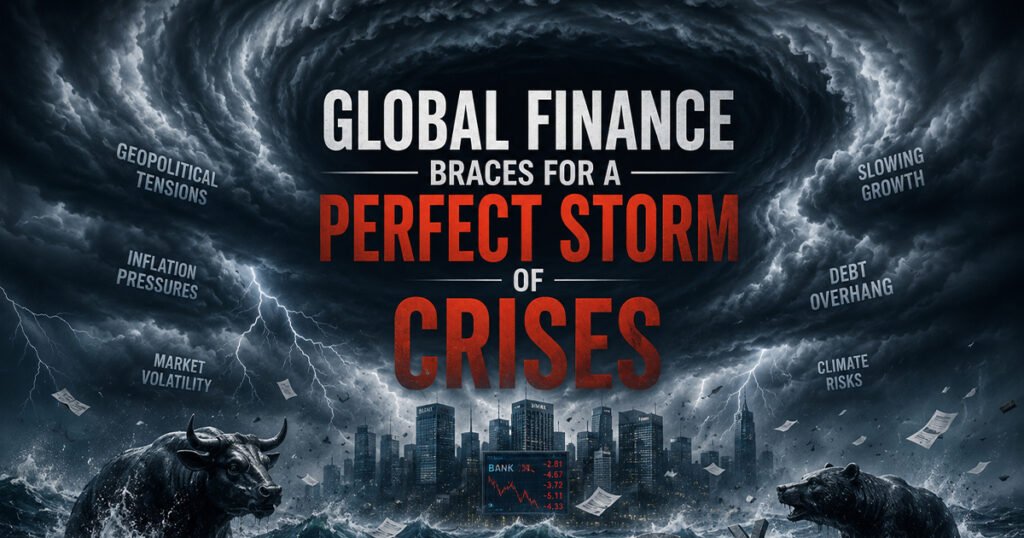



The world stands at a crossroads where old ways of managing money across borders no longer fit the challenges we face. From climate shocks hitting vulnerable nations hardest to persistent debt burdens that squeeze public spending on health and education, the current global financial setup shows its age.
Leaders from the Global South and reform-minded voices in international forums increasingly call for changes that go beyond tweaks. They want a system that supports a fresh approach to development, one that puts people, planet, and long-term resilience first.
This push for reform gained real momentum in recent years through summits like the 2025 Financing for Development conference in Sevilla and ongoing discussions at the G20 and United Nations. Countries are not just complaining about unfair rules; they are proposing concrete steps to make finance work for sustainable growth rather than trapping nations in cycles of crisis and austerity. The goal is clear: build a financial architecture that anchors a new development paradigm focused on inclusive, green, and equitable progress.
Shortfalls of the Old System
For decades, the Bretton Woods institutions, the International Monetary Fund and the World Bank, shaped how money flowed globally. Created after World War II, they reflected the economic power balance of that era. Today, emerging economies account for a much larger share of global output, yet their voice in decision-making remains limited. Quota shares at the IMF, for instance, still favor traditional powers, leaving many developing countries with less say despite their growing importance.
Borrowing costs tell part of the story. Nations in Africa or Latin America often pay much higher interest rates than wealthy countries, even when economic fundamentals look similar. This premium stems from perceived risk, but it also reflects structural biases in markets and rating practices. As a result, governments spend more on debt service than on building schools or hospitals. In some low-income countries, debt payments eat up over 20 percent of government revenue, leaving little room for investment in the future.
Liquidity support during crises adds another layer of frustration. When shocks hit, whether from pandemics or commodity price swings, countries scramble for help. Special Drawing Rights, the IMF’s reserve asset, offer a tool, but past allocations gave the lion’s share to richer nations. Poorer regions received only a fraction, forcing them to rely on expensive private borrowing or tough conditional loans.
Climate change makes everything more urgent. Small island states and coastal communities face rising seas and extreme weather that destroy infrastructure and livelihoods. Yet the financial system struggles to channel funds toward adaptation and mitigation at the needed scale. Estimates suggest emerging markets and developing economies require trillions annually for clean energy transitions and resilient growth.
Current flows fall far short, often favoring short-term projects over transformative ones.
These flaws have fueled calls for something different. Rather than a system that reacts to crises, reformers want one that prevents them and supports proactive development. This new paradigm shifts focus from narrow GDP growth to broader measures of well-being, including environmental health, social equity, and resilience.
Momentum Building for Change
Recent years have seen a flurry of proposals and commitments. The Sevilla Commitment from 2025 outlined steps to modernize global finance, strengthen borrower voices, and promote responsible lending. UNCTAD reports emphasize three key areas: better access to liquidity without harsh strings; more fiscal space for climate and development spending; and a rebalancing of governance so decisions reflect today’s economic realities.
Multilateral development banks are under pressure to evolve. The World Bank and regional banks like the African Development Bank have discussed “better, bigger, more effective” models. This includes optimizing balance sheets to lend more without new capital from shareholders, though many experts argue that genuine scaling needs fresh resources too. Heads of these banks have committed to working as a system, coordinating efforts to avoid overlap and maximize impact on global challenges like energy access and water security.
BRICS nations have added their own institutions to the mix. The New Development Bank, established to fund infrastructure and sustainable projects, offers an alternative lens. It emphasizes equality among members and focuses on needs often overlooked by traditional lenders. While not positioned as a full replacement for the IMF or World Bank, it signals growing South-South cooperation and a desire for diversified options.
Debt restructuring remains a sticking point. The G20 Common Framework tried to address sovereign debt distress, but progress has been slow and uneven. Private creditors often sit outside coordinated efforts, complicating deals. Proposals now include better suspension clauses for shocks like natural disasters and new platforms for collective borrower voices. Some advocates push for linking debt relief to climate investments, creating incentives for green transitions.
Tax cooperation is another frontier. Digital economies and multinational profits have outpaced old rules. Efforts toward a global minimum tax and fairer allocation of taxing rights aim to help developing countries capture more revenue. A UN framework convention on tax could make the process more inclusive than OECD-led talks.
Key Pillars of Reform
Reform discussions cluster around several practical areas. First comes governance. Updating IMF quotas and World Bank voting shares would give emerging economies more influence. This is not about sidelining traditional powers but ensuring decisions enjoy broader legitimacy. Modernizing boards with better corporate governance practices could also improve oversight and accountability.

Second, the global financial safety net needs strengthening. Ideas include more systematic creation of Special Drawing Rights during stress periods and a fairer distribution mechanism. A liquidity insurance facility, perhaps under G20 coordination, could reduce reliance on self-insurance through massive reserve accumulation, which ties up resources that could fund development.
Third, scaling development finance. Multilateral banks explore hybrid capital instruments and ways to mobilize private money through de-risking tools. Blended finance, guarantees, and political risk insurance can attract institutional investors to projects in challenging markets. Yet experts caution that private flows alone cannot fill gaps, especially for public goods like pandemic preparedness or biodiversity protection. Concessional resources for the poorest countries must remain central.
Climate integration cuts across all pillars. Debt sustainability analyses now increasingly factor in climate vulnerability. Proposals for a “Green Bank” or consolidated climate funds aim to streamline efforts. The Baku to Belém Roadmap from climate talks sets ambitious targets for international finance to support energy transitions and adaptation in developing countries.
A fourth element involves shifting mindsets on what development means. Beyond GDP, countries explore metrics that value natural capital, social cohesion, and human capabilities. Fiscal policies could reward investments in care economies, education, and green infrastructure. This paradigm recognizes that true progress requires balancing economic dynamism with planetary boundaries and social justice.
Challenges on the Road Ahead
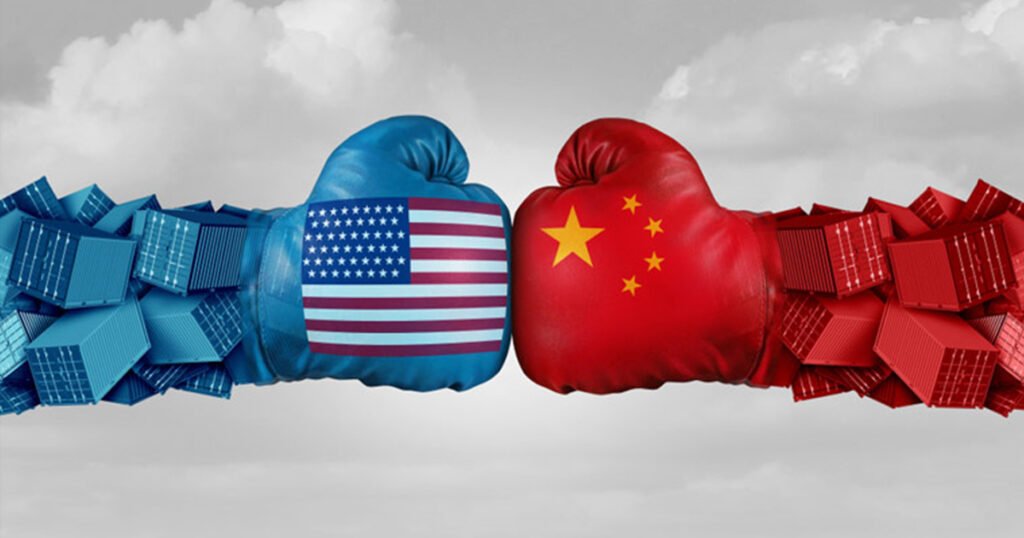
Change will not come easily. Geopolitical tensions fragment the system further. Sanctions, weaponized finance, and competing alliances raise risks of a splintered global payments landscape. Wealthy nations worry about losing influence or bearing disproportionate costs. Developing countries fear reforms that look good on paper but deliver little in practice if implementation lags.
Coordination poses another hurdle. With so many forums, G20, UN, regional groups, and new clubs like BRICS+, messages can get diluted. Fragmentation in climate funds and development initiatives already creates inefficiencies. Reformers stress the need for interoperability and clear division of labor among institutions.
Private sector engagement brings its own complexities. Investors seek returns and manageable risks. While innovative instruments help, they cannot substitute for public leadership on issues with long horizons or diffuse benefits. Aligning profit motives with sustainable development goals requires smart regulation and incentives, not wishful thinking.
Domestic policies matter too. Even the best global architecture cannot compensate for weak institutions or corruption at home. Countries must build capacity to manage inflows effectively, improve tax collection, and direct spending toward high-impact areas. Reform is a two-way street.
Opportunities in a Multipolar World
Despite headwinds, the current moment offers real openings. Technology, from digital payments to green innovations, can lower transaction costs and open new financing channels. South-South trade and investment continue to grow, providing buffers against Northern shocks.
Regional development banks can play a bigger role. African, Asian, and Latin American institutions understand local contexts deeply and can tailor solutions. Strengthening their capitalization and coordination with global players could create a more balanced ecosystem.
Public-private partnerships, when designed thoughtfully, hold promise for infrastructure. Success stories in renewable energy show how targeted support can crowd in commercial capital. Lessons from these can scale to other sectors.
Younger generations and civil society push for accountability. They demand transparency in lending, respect for human rights in financial decisions, and integration of environmental, social, and governance factors. This bottom-up pressure complements top-down negotiations.

Toward a Resilient and Equitable Future
Global financial reform is not an abstract debate. It directly affects whether farmers in drought-prone regions can access irrigation, whether cities can build flood defenses, and whether children in debt-stressed nations receive quality education. A new development paradigm anchored in reformed finance would prioritize prevention over cure, equity over extraction, and sustainability over short-term gains.
Implementation will take years and require compromises. Yet the alternative, muddling through with a system ill-suited to 21st-century realities, risks deeper instability and missed opportunities. History shows that major shifts in financial architecture, like those at Bretton Woods, happened in response to crises and visionary leadership. Today, overlapping challenges of climate, inequality, and technological change create similar urgency.
Leaders gathering in forums from Washington to Beijing to Addis Ababa have a chance to shape something better. By enhancing liquidity tools, rebalancing governance, mobilizing adequate resources, and fostering inclusive decision-making, the international community can lay foundations for development that truly leaves no one behind.
The road is long, but the direction is promising. Countries are moving from rhetoric to roadmaps. If sustained political-will matches the scale of ambition, global finance could finally serve as a sturdy anchor for a development model fit for our interconnected, fragile, and hopeful world.