
Falling Output, Rising Unemployment and Structural Weaknesses Threaten the Country’s Recovery
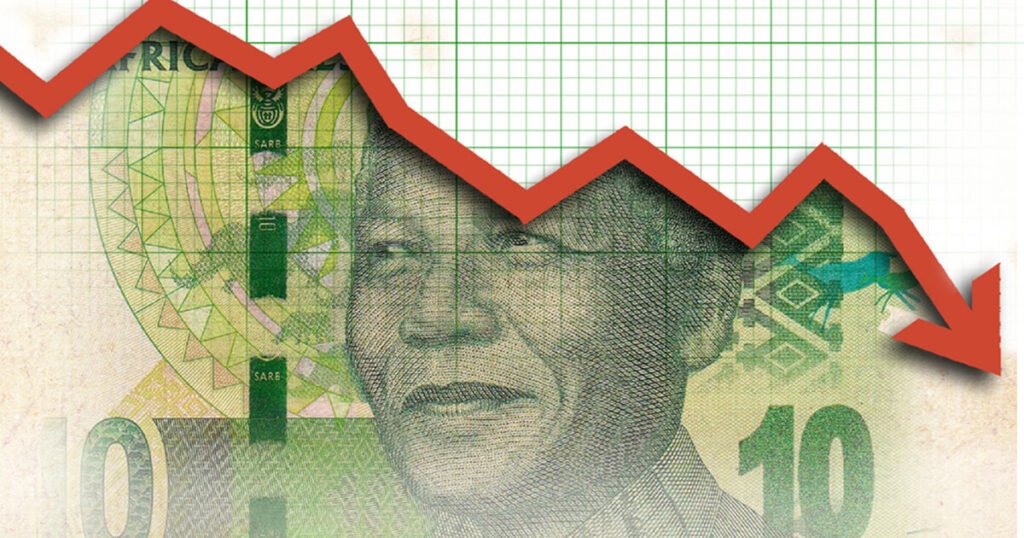
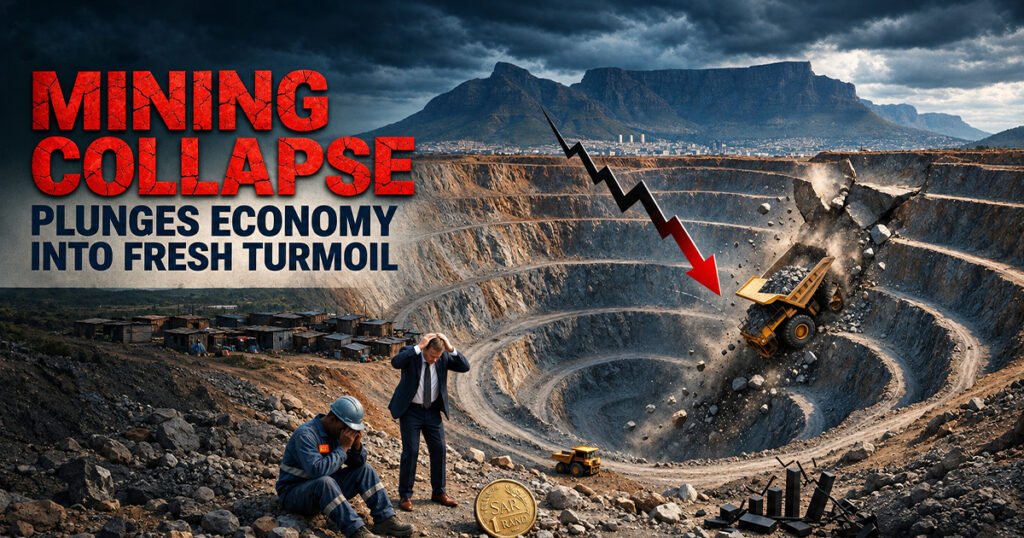
South Africa’s mining sector, long regarded as a backbone of the national economy and a symbol of its resource wealth, has delivered a severe blow in recent months. Production figures released for August revealed a sharp year-on-year decline of 12.7 per cent, driven by significant contractions in platinum group metals, coal and iron ore. Mineral sales fell even further, declining by 15.1 per cent.
The downturn comes at a time when the broader economy is already fragile, with Gross Domestic Product (GDP) contracting by 0.2 per cent in the second quarter and unemployment climbing to 33.6 per cent. These figures paint a troubling picture of an industry in distress and an economy struggling to regain its footing.
The decline is not an isolated setback. Rather, it reflects deeper structural weaknesses that have plagued the sector for years, compounded by global commodity volatility and domestic operational challenges. For a country that continues to rely heavily on mineral exports to generate foreign exchange and sustain employment in rural and industrial communities, the latest figures have sent shockwaves through corporate boardrooms, government offices and mining communities alike.
The Sharp Decline in Output
Statistics South Africa’s latest production figures confirmed what many in the industry had feared. Output of platinum group metals plunged by more than 22 per cent, iron ore production fell by over 16 per cent, and coal output declined by nearly 12 per cent. These commodities form a significant part of South Africa’s mining export basket. Their simultaneous weakness has amplified the overall contraction and raised urgent questions about the sector’s contribution to national economic growth.
Analysts point to a combination of factors. Global demand for certain metals has softened amid slower industrial activity in key markets. At the same time, domestic challenges have intensified. Ageing infrastructure, logistical bottlenecks across rail and port networks, and persistent cost pressures have constrained production. Although electricity supply has improved compared with the worst years of load-shedding, high electricity tariffs continue to squeeze profit margins for energy-intensive operations.
Mining companies have also faced rising input costs, including those of fuel and explosives, while labour relations remain tense in some areas. Safety incidents and community protests have periodically disrupted operations. The cumulative impact is evident in the production figures and the decline in sales values, with potential consequences for national income and export earnings.
Ripple Effects Across Industries
The mining slowdown extends well beyond extraction sites and processing plants. Downstream industries are feeling the effects almost immediately. Steel manufacturers, engineering firms and transport operators that depend on mineral production and distribution are experiencing weaker order books.
Declining export revenues could also place pressure on the Rand and complicate the financing of imports, including essential fuel supplies. These pressures may intensify existing cost-of-living challenges and increase operating expenses for businesses across the economy.
Local economies built around mining towns are particularly vulnerable. Communities in the platinum belt of North West and Limpopo, the coalfields of Mpumalanga, and the iron ore-producing regions of the Northern Cape have long depended on mining for employment, supplier contracts and municipal revenue.
When production declines, employment opportunities and local spending often fall with it. Small businesses supplying food, transport and other services to mine workers experience shrinking revenues, creating a secondary wave of economic distress.
The timing could hardly be worse. South Africa is approaching local government elections in early November, while service-delivery failures already dominate campaign debates. Municipalities that depend on mining-related revenue may face additional budgetary pressure precisely when voters are demanding improvements in water supply, electricity distribution and waste management.
The mining downturn therefore feeds into a broader narrative of economic underperformance that political parties will have to confront during the election campaign.
Unemployment Crisis Deepens
South Africa’s official unemployment rate stood at 33.6 per cent in the second quarter, leaving approximately 8.5 million people without work. Youth unemployment among people aged 15 to 34 was close to 47 per cent. These figures highlight the scale of the country’s labour-market challenges.

The mining sector has historically provided formal employment for hundreds of thousands of workers, particularly in regions where alternative economic opportunities are limited. Production cuts and cost-reduction measures can translate into job losses, reduced working hours and hiring freezes, adding to the already large number of unemployed people.
Labour-market data also points to continued pressure on formal employment in mining and manufacturing. New entrants to the workforce struggle to secure jobs, while workers who lose their mining positions may remain unemployed for extended periods.
Social grants provide an essential safety net for vulnerable households, but they cannot fully replace the income security, dignity and wider economic benefits associated with stable employment. Communities that once thrived on mining payrolls increasingly face poverty, financial insecurity and social strain.
Economists have repeatedly stressed that South Africa needs sustained economic growth above 3 per cent to begin making meaningful progress in reducing unemployment. Current International Monetary Fund forecasts place growth for 2026 at around 1 per cent, well below that threshold. The mining downturn makes the challenge even more difficult.
Global Pressures and Local Challenges
External forces have contributed to the sector’s difficulties. Higher global oil prices, linked to geopolitical tensions in the Middle East, have increased the cost of diesel and other inputs essential to mining operations. As a net importer of petroleum products, South Africa is particularly exposed to these external shocks.
Higher fuel prices can ripple through the economy, raising the cost of transporting ore and finished products while placing additional pressure on household budgets. For mining companies, these expenses compound existing operational challenges and reduce competitiveness.
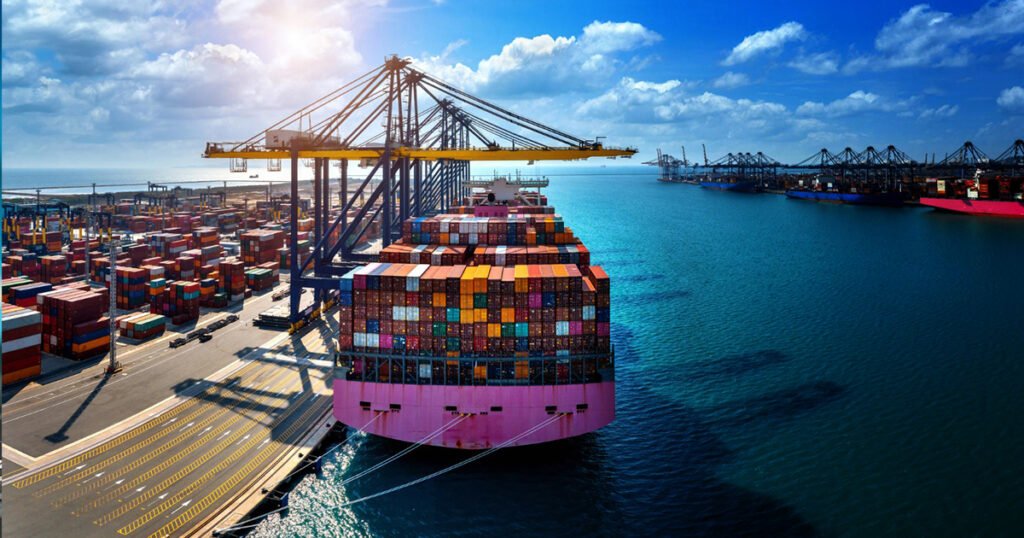
Domestically, the logistics network remains a major constraint. The rail corridors used to transport coal and iron ore to export terminals have suffered from years of underinvestment and operational inefficiencies. Although the government and Transnet have announced recovery programmes, progress has been slower than the industry requires.
Port congestion and equipment shortages further delay shipments, increase transport costs and limit the sector’s ability to capitalise on favourable international market conditions.
Energy remains another persistent concern. Although load-shedding has eased, high electricity costs continue to undermine competitiveness. Mining operations rely on energy-intensive processes, meaning that every tariff increase can erode already constrained profit margins.
Initiatives to expand private electricity generation and renewable energy projects offer longer-term opportunities. However, these investments require time, capital and regulatory certainty, all of which can be difficult to secure in an uncertain operating environment.
Government Response and Reform Efforts
The authorities have acknowledged the challenges confronting the sector. President Cyril Ramaphosa is scheduled to inaugurate the second phase of Vedanta Zinc International’s Gamsberg expansion in the Northern Cape, a major investment expected to increase zinc production and create employment opportunities in the region. Officials have presented projects of this nature as evidence that South Africa can continue attracting investment when the right conditions are in place.
Broader reform initiatives focus on strengthening energy security, improving logistics and streamlining regulatory processes. The government of national unity has prioritised infrastructure investment and industrial-policy measures intended to support key economic sectors.
Finance Minister Enoch Godongwana faces the challenge of presenting a medium-term budget that balances fiscal discipline with expenditure capable of supporting economic growth. Although credit-rating agencies have acknowledged some progress in stabilising public finances, they remain attentive to the country’s growth prospects and fiscal risks.
Mining companies are also adjusting their strategies. Some continue to invest selectively in higher-grade deposits and more efficient operations, while others are mothballing or scaling back less profitable assets.
Industry associations are calling for clearer policy direction, faster licensing procedures and stronger collaboration between government and business on infrastructure development. Labour unions, meanwhile, are emphasising the need to protect jobs and improve workers’ living conditions, arguing that the sector’s long-term viability is closely linked to social stability.
What Lies Ahead for Recovery?
The path out of the current turmoil is neither short nor straightforward. Commodity prices may recover as global demand cycles improve, but South Africa cannot rely exclusively on external market conditions to restore the industry’s competitiveness.
Domestic reforms involving logistics, electricity pricing and regulatory efficiency must accelerate if the country is to improve productivity and attract sustained investment. Exploration and the development of new mining projects will also be essential to replenishing reserves, extending the life of existing operations and supporting long-term production.
For communities dependent on mining, the immediate priority is to cushion the social impact through targeted assistance, skills-development programmes and economic diversification. Expanding opportunities in manufacturing, agriculture, tourism and other industries could help reduce dependence on mining and make local economies more resilient to future shocks.
The local government elections will test public patience with the pace of economic recovery and service delivery. Voters in mining communities will weigh political promises against the realities of job losses, declining business activity and strained municipal services.
South Africa’s mining industry has weathered numerous challenges over more than a century of production. The country retains substantial mineral resources and internationally recognised technical expertise. However, the current downturn exposes the consequences of delayed structural reforms and the combined effects of external shocks and domestic inefficiencies.
Reversing the decline will require coordinated action by government, business and labour, sustained over years rather than months.
The latest production figures serve as a stark reminder that resource wealth alone does not guarantee prosperity. Without efficient logistics, affordable energy, predictable regulation and competitive operating costs, even the richest mineral deposits can struggle to deliver their full economic potential.
As South Africa navigates an election season and confronts persistently high unemployment, the mining sector’s difficulties underscore the urgency of restoring economic growth to levels capable of creating jobs, expanding opportunities and rebuilding investor confidence.
Ultimately, the country’s ability to turn its mineral wealth into lasting prosperity will depend not only on what lies beneath the ground, but also on the effectiveness of the institutions, infrastructure and policies that bring those resources to market.