
Nine Months After the Contested Vote, Political Tensions, Unanswered Questions and Calls for Justice Challenge the Nation’s Future
Nine months after Tanzania’s most disputed general election in decades, the scars of October 2025 still cut deep across the nation. What began as a contest for power ended in chaos, bloodshed, and a lingering sense of national trauma that refuses to fade. Streets that once pulsed with the energy of political rallies became scenes of confrontation.
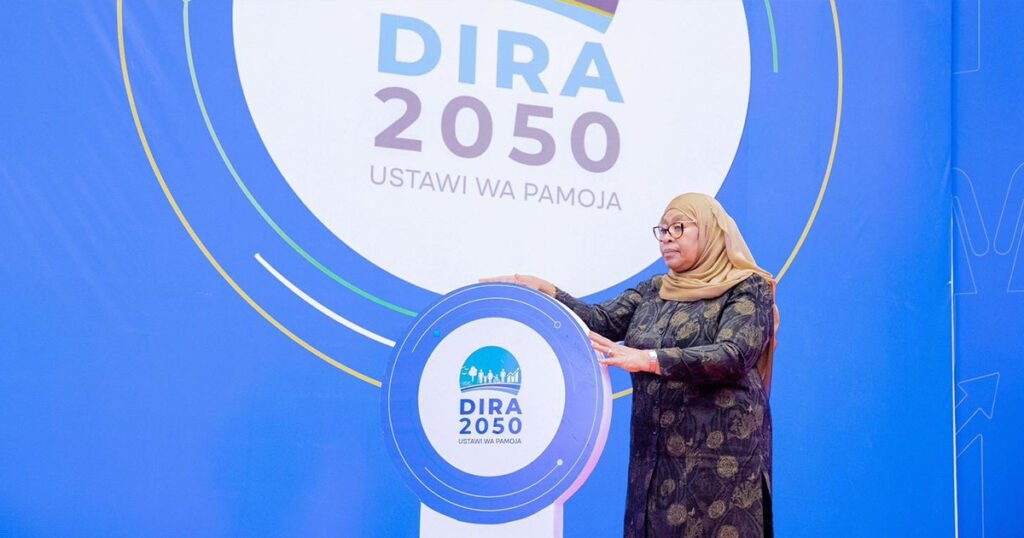
Families continue to search for answers. Opposition voices remain muted, while the government under President Samia Suluhu Hassan presses ahead with ambitious economic plans, even as the ghosts of that violent autumn refuse to rest.
The official narrative portrays a country moving forward, focused on growth and unity. Yet memories of those days—the disputed vote tallies, the sudden internet blackout, the crack of live ammunition, and the subsequent roundups of critics—continue to shape public life. For many Tanzanians, the 2025 election was not simply a political event; it was a rupture.
The Ballot That Sparked Fury
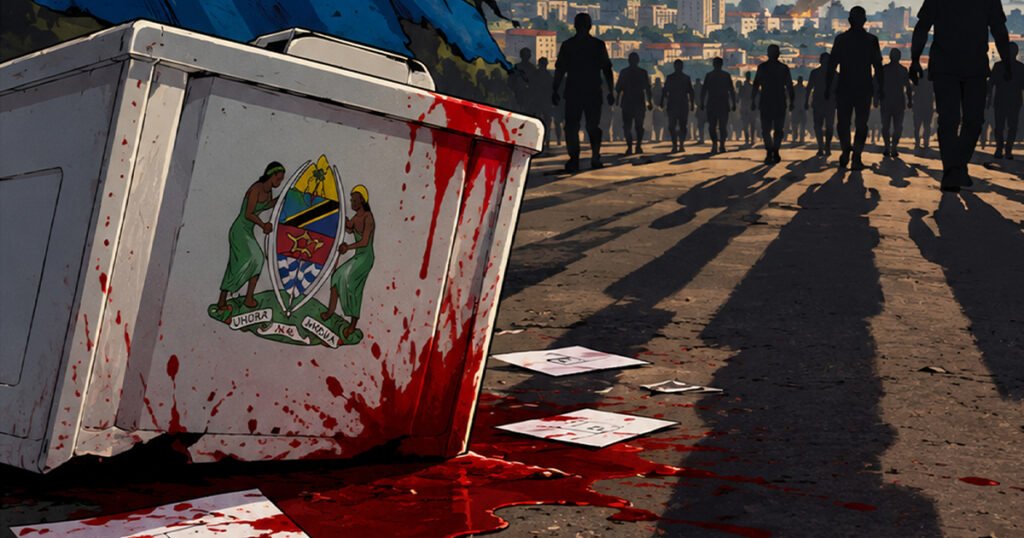
On October 29, 2025, Tanzanians went to the polls in an atmosphere already thick with tension. Major opposition parties faced severe restrictions. Tundu Lissu, Chadema’s main challenger, had been arrested months earlier and barred from contesting the election. Other opposition figures encountered legal hurdles and limited opportunities to campaign. When the results were announced, President Samia Suluhu Hassan, of the long-ruling Chama Cha Mapinduzi (CCM) party, was declared the winner with approximately 98 per cent of the vote. The margin stunned observers and triggered immediate protests in several cities and towns.
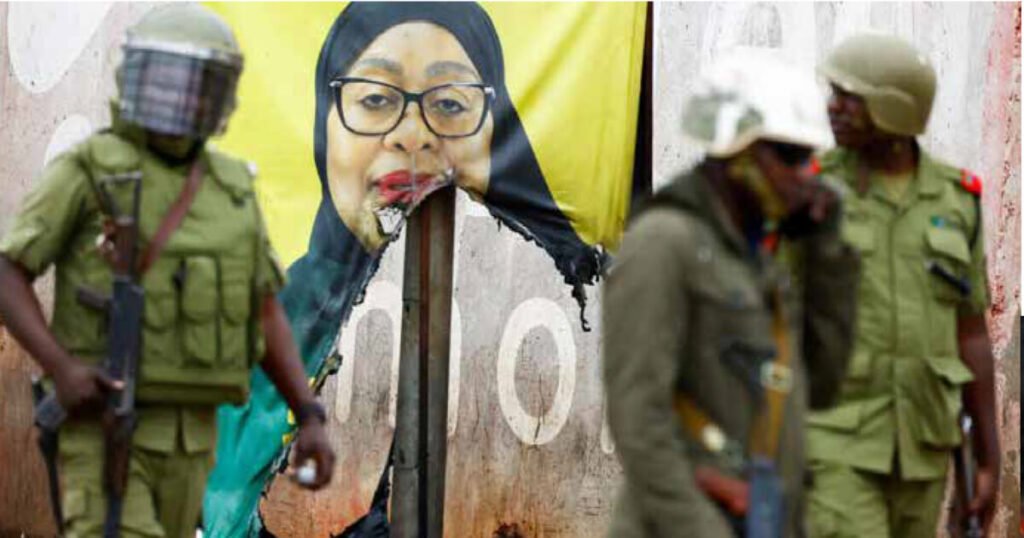
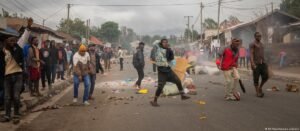
Demonstrations erupted on Election Day and intensified in the days that followed. Crowds gathered to reject the outcome, accusing the authorities of engineering a predetermined result. Security forces responded with force that many described as indiscriminate. Videos and eyewitness accounts that subsequently circulated showed scenes of chaos, with security personnel firing into groups of protesters and bystanders. A nationwide curfew was imposed, while internet services were restricted, cutting off the flow of information at a critical moment when accountability mattered most.
The human cost remains contested. A presidential commission of inquiry later documented at least 518 deaths and more than 2,390 injuries, alongside property destruction valued at over 125 billion Tanzanian shillings. Opposition sources and some human rights monitors placed the toll considerably higher, with estimates ranging from 1,000 to 2,000 deaths. Allegations also emerged that bodies had been removed from streets and hospitals in an attempt to obscure the true scale of the violence. The government has consistently rejected the higher estimates without providing a comprehensive, independent account of the casualties.
The Crackdown That Followed the Chaos
The days following the election were marked by a sweeping security operation. Hundreds of people were detained, while prosecutors charged large numbers of individuals with treason and related offences. Opposition party officials, activists, journalists, and even some religious figures came under scrutiny. The crackdown also extended to foreigners who had expressed solidarity with the opposition. International observers described a climate of fear that increasingly permeated public discourse.
Tundu Lissu, the charismatic and outspoken leader of Chadema, remains at the centre of the unresolved political crisis. Arrested in April 2025 on charges linked to his campaign for electoral reforms, he has spent more than a year in detention. Prosecutors argue that his “No Reforms, No Elections” slogan amounted to a plot against the state. Lissu and his supporters maintain that the case is politically motivated and intended to sideline one of the strongest challenges to CCM’s dominance. Final submissions in his treason trial concluded in late September 2026, with a judgment expected in early November. The possibility of a death sentence hangs over the proceedings, keeping national and international attention fixed on the courtroom.
Other prominent figures have also come under pressure. The sudden resignation of Vice President Emmanuel Nchimbi in late August 2026, followed by his disappearance from public view, fuelled speculation and concern. Opposition parties demanded clarification regarding his whereabouts. The episode added another layer of unease to an already fraught political atmosphere.
Global Scrutiny and Domestic Reckoning
The violence prompted strong reactions from abroad. The United Nations human rights office expressed alarm over the scale of the crackdown and reports that bodies had been moved to conceal evidence. The European Parliament passed resolutions condemning the post-election killings and the broader deterioration of the human rights situation. The United States also sanctioned a senior Tanzanian police official over credible allegations involving the detention and mistreatment of East African human rights defenders who had travelled to observe Lissu’s case.
Domestically, the government established a presidential commission to investigate the events. Its findings confirmed a devastating human toll. President Hassan subsequently formed a special criminal investigation commission tasked with identifying and prosecuting those responsible for the deadly violence. Catholic bishops issued a pastoral statement calling for national healing, accountability, and an end to unresolved cases involving killings, abductions, and assaults that had long fuelled public anger. They also criticised the use of excessive force and what they perceived as interference with institutional independence.
Yet, for many families of the dead and missing, these official processes have delivered little tangible justice. The search for loved ones continues in quiet desperation, while trust in state institutions remains fractured among significant sections of the population.
Economic Ambitions Continue Despite Political Shadows
Even as political wounds remain unhealed, Tanzania’s government has maintained its focus on economic transformation. Finance Minister Khamis Mussa Omar recently announced that the country was close to finalising a landmark $42 billion liquefied natural gas project involving Equinor, Shell, and other major partners. The project aims to unlock vast offshore gas reserves estimated at more than 47 trillion cubic feet. Officials have presented it as a cornerstone of industrialisation and a pathway towards establishing East Africa as a regional energy hub. It also coincides with plans for Uganda to begin exporting oil through the Tanzanian port of Tanga in early 2027.

The government aims to double electricity generation capacity to 8,000 megawatts by 2030, with a strong emphasis on sources it classifies as cleaner. Economic growth has remained steady at around 6 per cent, inflation has been contained, and public debt is considered manageable by regional standards. Nevertheless, significant challenges persist. Most employment remains informal and low-productivity, while firm-level investment has declined sharply compared with a decade ago. Skills gaps and limited access to finance continue to constrain the private sector’s ability to create quality jobs for a young and rapidly growing population.
Recent external shocks have added to these pressures. Fuel prices rose sharply in early October 2026 as geopolitical tensions in the Middle East disrupted supply chains. A shortage of contraceptives, linked to the abrupt withdrawal of United States family-planning assistance, has raised concerns about an increase in unintended pregnancies and associated health risks. Food insecurity also affected more than one million people in rural areas earlier in the year, although conditions were projected to improve.
Land Conflicts and Cultural Assertions
The post-election period has also witnessed intensified pressure on indigenous Maasai communities in the Ngorongoro Conservation Area and Loliondo. Rights groups have reported what they describe as a coordinated campaign of arrests, abductions, and livestock confiscations. Five Maasai men were taken into custody in early October 2026. Activists argue that the government is accelerating efforts to reduce Maasai presence in their ancestral lands to expand tourism and trophy hunting, in pursuit of ambitious visitor targets by 2030. The communities and their supporters describe these actions as a direct assault on indigenous land rights and traditional ways of life.
In the cultural and diplomatic sphere, Tanzania has sought to project soft power. On October 14, during commemorations marking the 27th anniversary of Julius Nyerere’s death, President Hassan called on citizens to preserve the founding father’s values of peace, unity, and solidarity. The message carried particular significance against the backdrop of recent turmoil. Separately, Tanzanian parliamentarians renewed their push for Kiswahili to be recognised as an official working language of the Inter-Parliamentary Union, arguing that language is central to ensuring genuine inclusivity for African voices on the global stage.
The Unfinished Business of Healing
Nine months on, Tanzania stands at a crossroads. The machinery of state continues to function. Major investment deals are progressing, and the ruling party maintains its dominance. Yet the bloodshed of October 2025 has left a legacy of grief, anger, and distrust that official narratives of progress cannot fully erase.
The pending judgment in Tundu Lissu’s case will serve as a critical test of whether the legal system can deliver an outcome perceived as independent and impartial. The work of the criminal investigation commission will be judged by whether it produces genuine accountability or merely procedural closure. The extent to which ordinary citizens can speak, assemble, and organise without fear will help determine whether political space can gradually reopen.
For a country whose founding philosophy rested on the principles of unity and self-reliance articulated by Mwalimu Nyerere, the current moment carries particular weight. Calls to preserve his legacy of peace resonate against the reality of recent violence. Healing will require more than commemorative statements. It will demand truth-telling, justice for victims, and a credible path towards inclusive politics that reduces the risk of future confrontation.
As Tanzania pursues its ambition to become an energy and industrial powerhouse in East Africa, the unresolved trauma of the 2025 election remains a major challenge. The blood shed on the streets of Dar es Salaam, Mwanza, Arusha, and other urban centres has not been forgotten. Families continue to mourn, questions remain unanswered, and the nation continues to grapple with the difficult task of reconciling its ambitions for the future with the painful truths of its recent past.